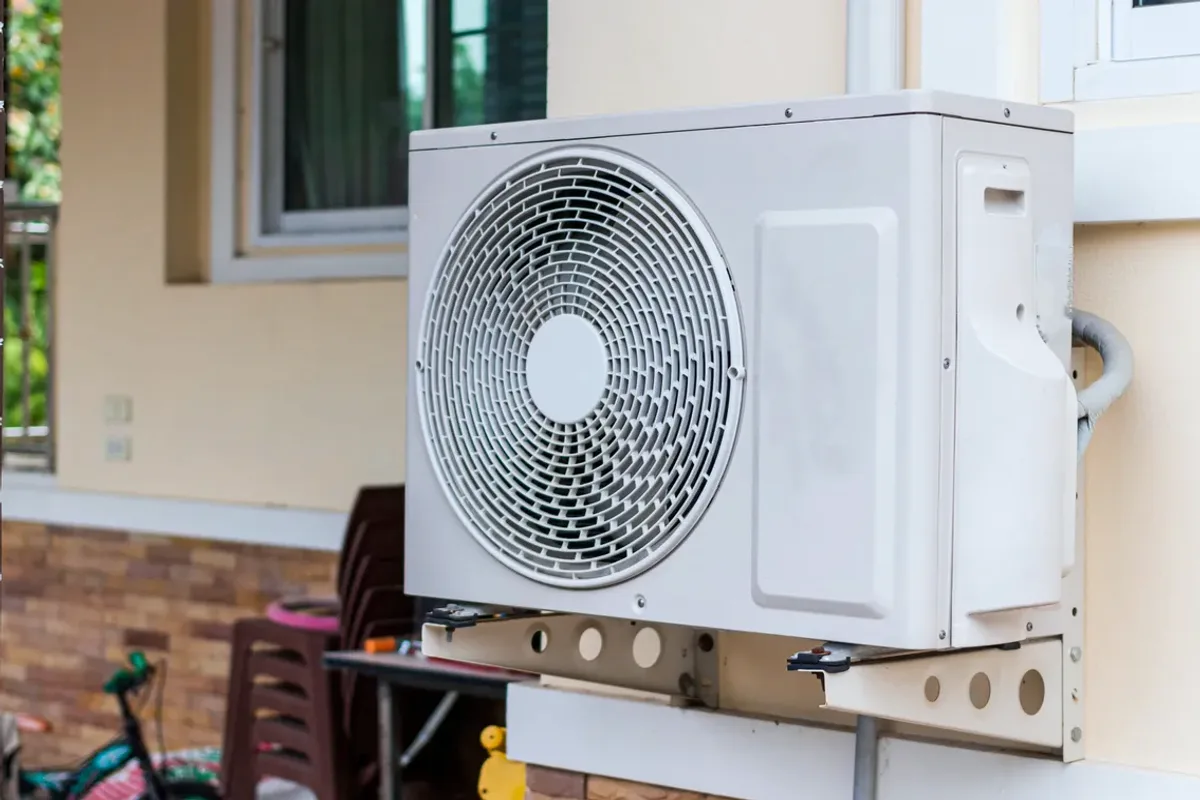
Request heat pump repair & installation for a property in Ayr. Include the equipment, the problem or planned work, and your location so the request can be reviewed.
How can a heat-pump inspection distinguish a defrost issue from another heating fault?
Heat-pump service can involve a repair to an existing system or assessment of equipment for a new installation. A unit that does not heat or cool, operates unevenly, forms ice, or makes an unfamiliar noise needs inspection of its operating sequence and system type. Air-to-air, cold-climate, and ductless models have different configurations and controls. A service request can identify the model, symptoms, and whether heating, cooling, or both are affected, helping define the appropriate assessment.
Inspection can compare thermostat demand, indoor and outdoor operation, defrost behavior, airflow, and relevant electrical or refrigerant-circuit findings. Ice on an outdoor unit is not enough by itself to identify a fault, since operating conditions and the unit’s defrost sequence matter. For installation or replacement, the building’s distribution system, electrical service, and intended heating and cooling roles affect equipment selection.
Air-to-air, cold-climate, and ductless heat-pump types
Defrost, reversing-valve, electrical, and refrigerant faults
Repair findings and installation or replacement compatibility
Assessment and Scope
Questions for the Proposed Work
01
Investigate ice, noise, and reversing symptoms
An outdoor unit that remains iced, a system that does not change between heating and cooling, or unusual noise can involve defrost controls, a reversing valve, airflow, or another component. The observed sequence and model-specific operating instructions help distinguish normal operation from a fault. Refrigerant and internal electrical checks require service procedures; repeated resets or attempts to bypass a control do not establish the cause.
02
Repair the confirmed fault before judging the system
A repair decision should follow evidence identifying the failed component and the condition of the rest of the heat pump. A specific electrical or control fault may call for a different scope than a refrigerant leak or a major component failure. The service history, operating symptoms, and inspection results help compare repair with replacement. The number of prior calls alone does not establish which option is appropriate.
03
Assess installation against the property
For a new heat pump or replacement, the assessment should account for the system type, existing ducts or ductless layout, electrical supply, controls, and the equipment’s intended heating and cooling role. A cold-climate model and a cooling-focused model are not interchangeable choices. If an existing furnace or other system will remain, clarify how the equipment is expected to operate together before selecting compatible controls and installation details.
Compare the next step
Have the designer assess the addition and original building together, then explain how the chosen system reaches each space. Ask what equipment is retained, how backup heat will operate, and whether the quotation includes changes to ducts, power, or controls needed for the finished layout.
Cold-climate capability does not prove that one model covers every home heating load. Ask how the selected equipment and supplementary heat meet the actual design requirements.