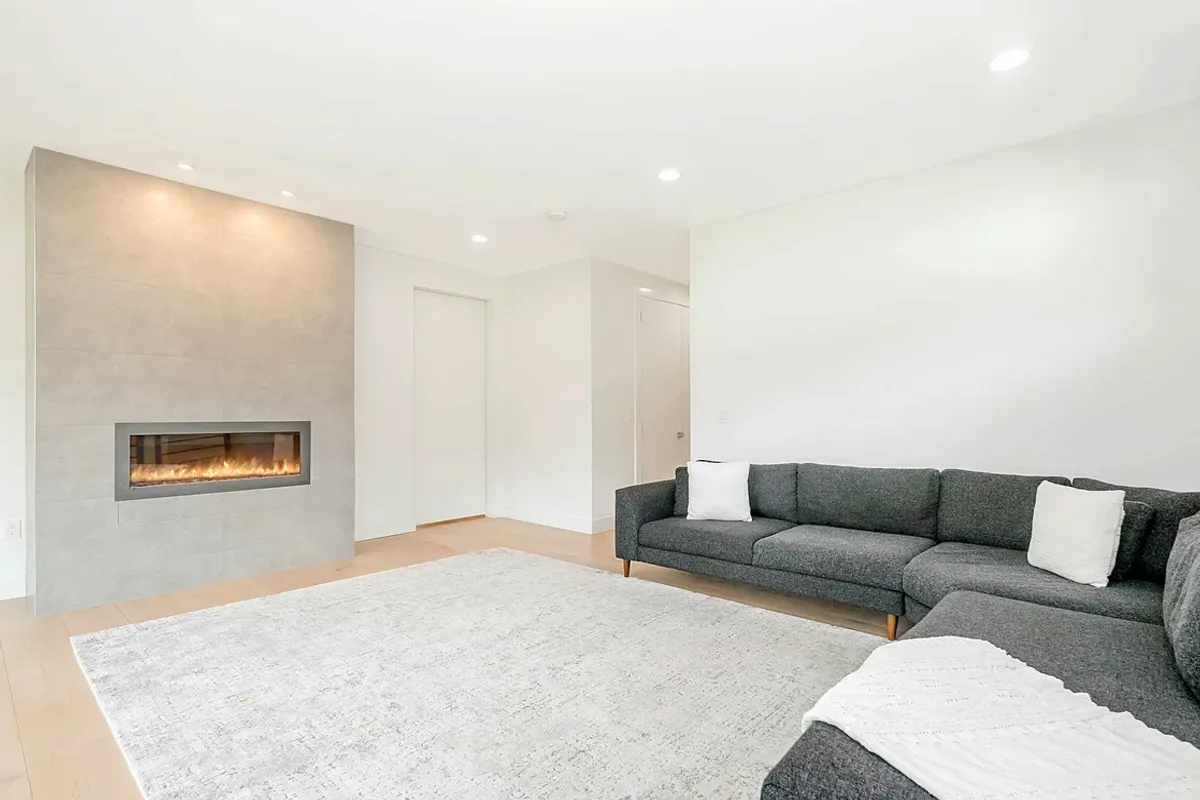
Request fireplace installation for a property in Ayr. Include the equipment, the problem or planned work, and your location so the request can be reviewed.
What needs to be checked before installing a fireplace in an existing opening?
Installing a fireplace involves selecting an appliance and confirming that the proposed location, clearances, support, and venting arrangement suit that model. Gas, electric, and wood-burning units have different connection and vent requirements, so one installation plan cannot be applied to all three. If an existing masonry chimney or opening is being reused, its condition and suitability need assessment before the appliance is chosen. A request can identify the preferred fuel type and proposed location for review.
The assessment should identify the fireplace model or fuel type, the proposed location, surrounding construction, and the required vent or chimney route. Where an existing chimney is to be reused, its condition and dimensions may change the scope, including whether a compatible liner or other work is required. Electrical access for an electric unit and gas-line requirements for a gas model are separate considerations.
Gas, electric, and wood-burning fireplace distinctions
Existing masonry chimney, liner, and vent assessment
Firebox, appliance, opening, and connection installation scope
Assessment and Scope
Questions for the Proposed Work
01
Choose the appliance before finalizing the layout
A gas, electric, or wood-burning fireplace calls for different site preparations. Gas equipment requires a suitable gas connection and model-specific venting; an electric unit depends on the installation location and electrical supply; wood-burning equipment requires a compatible firebox and vent or chimney arrangement. Identify the appliance type and model early because its installation clearances and connection requirements shape the opening and surrounding construction.
02
Assess a chimney or opening being reused
An existing masonry chimney should not be assumed suitable for a new appliance simply because it served a previous fireplace. Its condition, dimensions, and compatibility with the selected appliance affect whether it can be reused and whether a liner or other changes are needed. Inspection findings can also reveal firebox, appliance, or vent damage that changes the plan from installation alone to repair or replacement of affected components.
03
Set the scope around the site conditions
The project scope depends on the selected unit and the work needed at the site, such as preparing an opening, routing a vent, providing an electrical connection, or extending a gas line. These are distinct tasks, not automatic parts of every installation. Before work is defined, compare the appliance instructions with the actual wall, floor, chimney, and connection conditions so the installation plan reflects the property.
Compare the next step
Decide whether the fireplace is primarily a visual feature or an actively used room heater. Ask how the selected output suits the addition and where the vent can terminate. Coordinate appliance clearances with planned doors, windows, shelving, and seating before committing to the enclosure dimensions.
Use a qualified contractor for the chosen appliance and any fuel, venting, or electrical work. Do not alter the appliance or defeat its controls. Confirm its manufacturer operating requirements before relying on it for whole-home or outage heating.