What information helps distinguish a furnace ignition problem from an airflow or control fault?
A furnace that will not start, produces uneven heat, or makes a new sound needs diagnosis before parts are changed. The symptom may come from an ignition fault, restricted airflow, a control issue, or another component, and those causes call for different checks. A service request can describe the fuel type, equipment model, displayed fault code, and when the problem occurs. That information helps frame an inspection without assuming the same repair applies to every furnace.
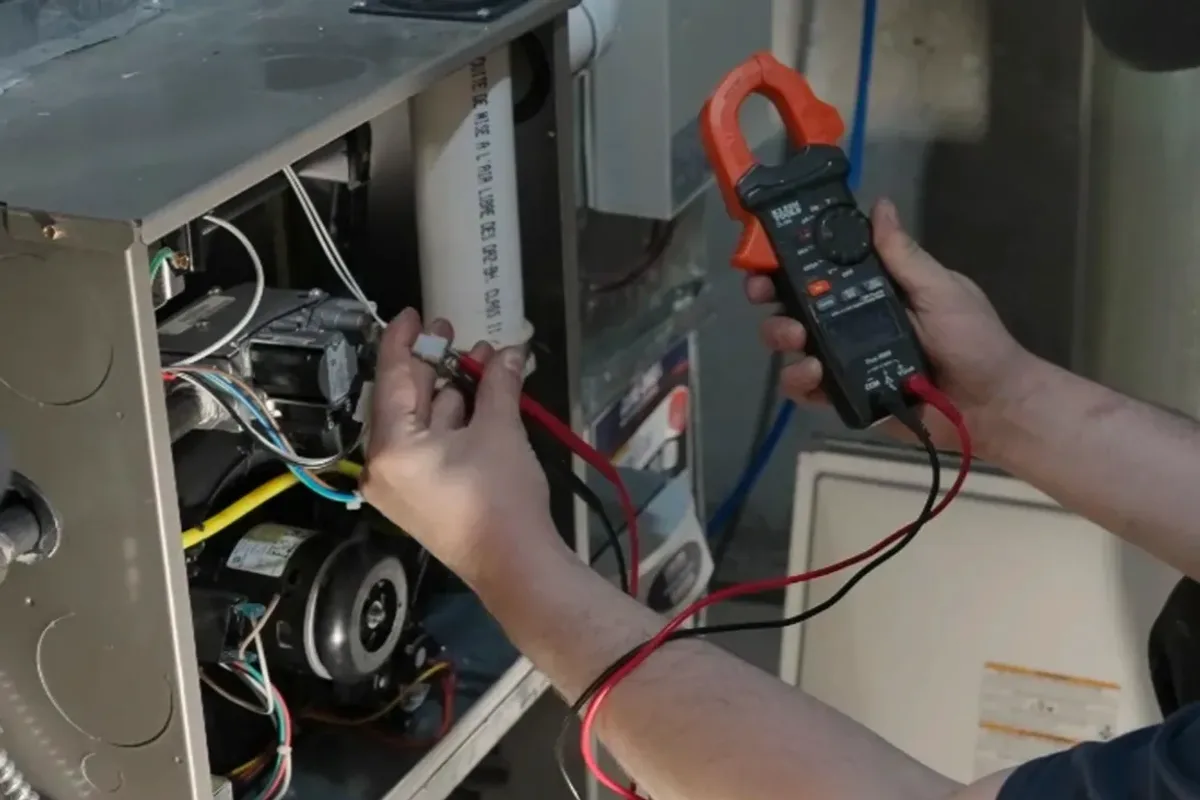
A technician’s inspection can compare thermostat demand with the furnace’s operating sequence, examine filters and airflow conditions, and check relevant controls and components. Error codes, recent changes, and whether the blower or burner starts help narrow the cause. For a suspected heat-exchanger problem, the specific inspection findings and equipment condition inform whether further use or replacement should be considered.
Ignition, starting, and burner faults
Filters, airflow, and limit-control symptoms
Heat-exchanger findings and repair-versus-replacement decisions
Assessment and Scope
Questions for the Proposed Work
01
Separate ignition faults from airflow problems
A furnace that does not fire may have an ignition or fuel-delivery issue, while short cycling or weak airflow can point toward a restricted filter, blower problem, or limit-control response. The diagnostic sequence matters because replacing an igniter will not correct an airflow restriction. Record any displayed code and describe what starts before operation stops; do not open fuel or electrical compartments to investigate.
02
Use maintenance findings to guide service
Maintenance should follow the furnace manufacturer’s instructions and inspection findings rather than a fixed checklist applied to every unit. Filter condition, burner and ignition observations, airflow, thermostat operation, and visible venting concerns can reveal items needing attention. A visit may identify an adjustment or repair, but maintenance is not a substitute for diagnosing a furnace that has already stopped heating or is showing a fault.
03
Compare repair evidence with replacement needs
A repair decision depends on the confirmed fault, the furnace’s condition, and whether the required component is suitable for continued service. If a heat exchanger or other major component is damaged, that finding changes the discussion from a routine part replacement to evaluating the equipment as a whole. Replacement planning should also account for the existing fuel, venting arrangement, and heating requirements rather than relying on age alone.
Compare the next step
Ask for two separate answers: whether the existing furnace can operate properly and whether the completed addition can receive the heat it needs. A proposal should explain any supply and return changes, the calculated additional load, and how performance will be checked after the room is finished.
Leave burner, fuel, venting, electrical, and internal equipment work to a qualified contractor. Do not bypass a safety switch or repeatedly reset a furnace.