Every air conditioner has a size and a lifespan, and either one can quietly explain a summer of discomfort. Before you blame the weather or the thermostat, it helps to know whether your unit is undersized, aging, or simply overdue for service, because the answer changes what you should spend.
Cooling Is Only Half the Job
An air conditioner does two jobs at once: it lowers the air temperature and it pulls moisture out of the air. On a dry day, one job is easy. During a humid Ontario summer stretch, your system fights both at the same time, and the moisture half is the one that quietly wears it down.
Humid air also feels warmer than it actually is. Twenty-six degrees on a dry afternoon is pleasant; the same twenty-six degrees with heavy July moisture feels sticky and heavy. Your thermostat reads the temperature, not your comfort, so the system keeps running while the house never quite feels right.
The Equipment Issues
An aging unit. Capacity fades with age, and a system that once handled humid heat easily now runs all afternoon, especially once the weather turns muggy. An undersized unit. If the equipment was never matched to the home, it will fall behind every summer no matter how well it is maintained. Both issues often get misread as a maintenance problem, which is why testing beats guessing: a technician can measure capacity directly instead of assuming.
The Causes a Homeowner Should Not Chase Alone
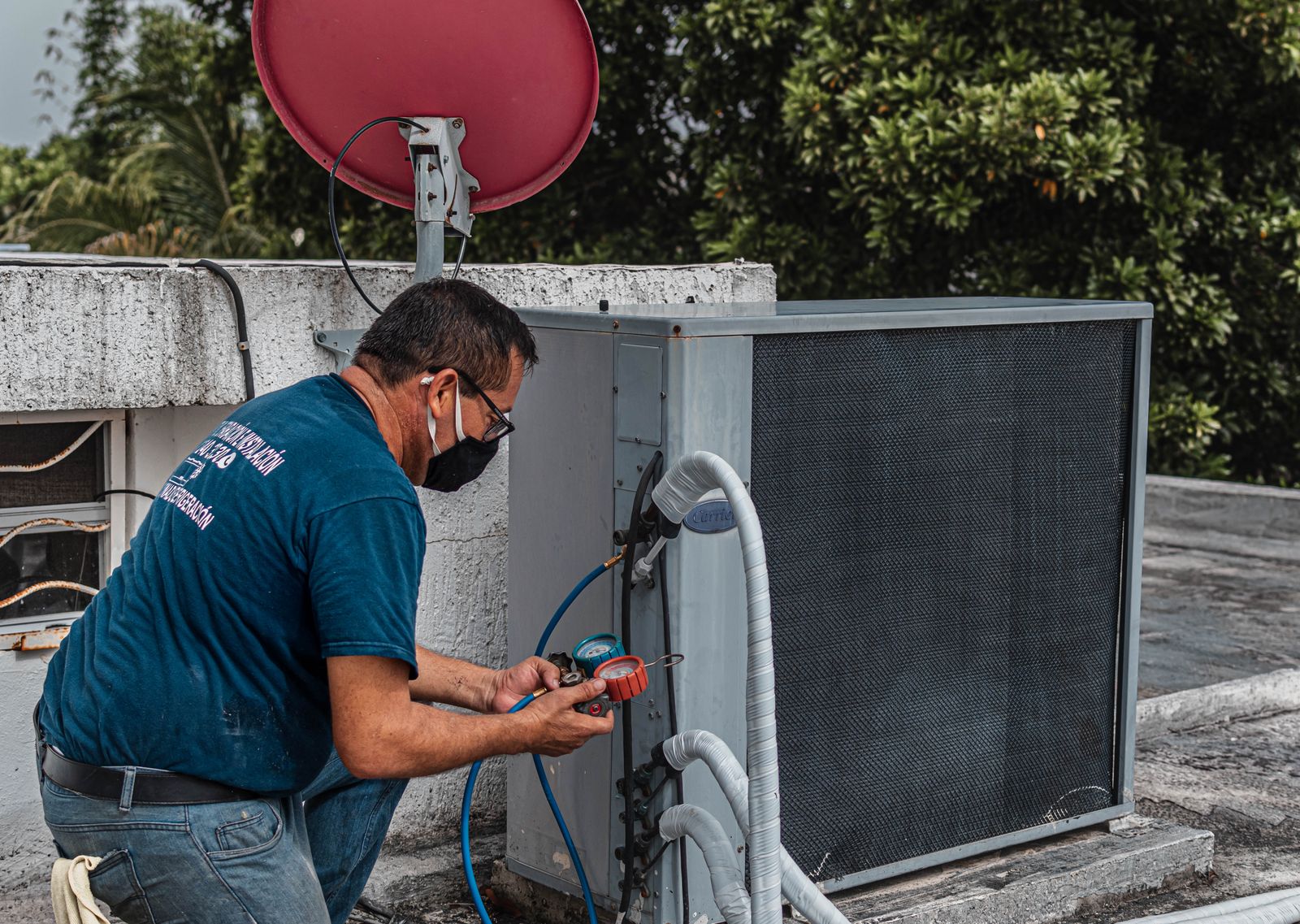
Low refrigerant. A leak leaves the system without enough fluid to carry heat out of the house, and handling refrigerant is licensed work, not a weekend project. Poor insulation and air leaks. Gaps around windows, doors, and the attic add cooling load all day long, and in many Ayr homes sealing them is the missing half of a cooling problem that refuses to go away.
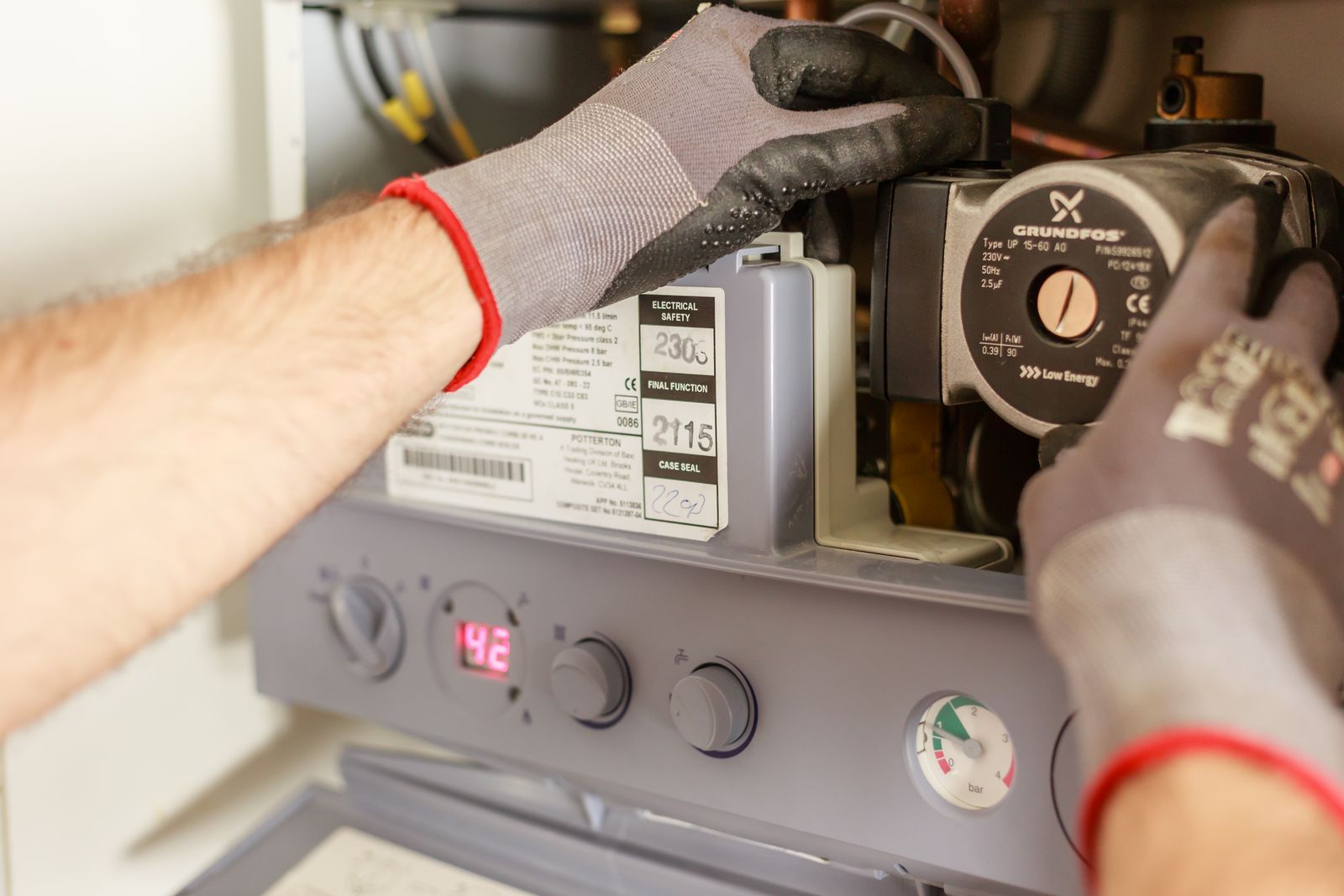
A standard AC service handles the first directly and evaluates the second: charge testing, coil cleaning, airflow measurement, and an honest capacity check against the home.
Have You Checked the Filter, the Coils, and the Outdoor Unit?
A clogged filter. This is the first thing to rule out because it is the cheapest fix in HVAC. A full filter starves the blower and throttles air to every vent in the house. A dirty evaporator coil. Dust that slips past the filter settles on the cold coil and insulates it, so less cold transfers into the air moving past.
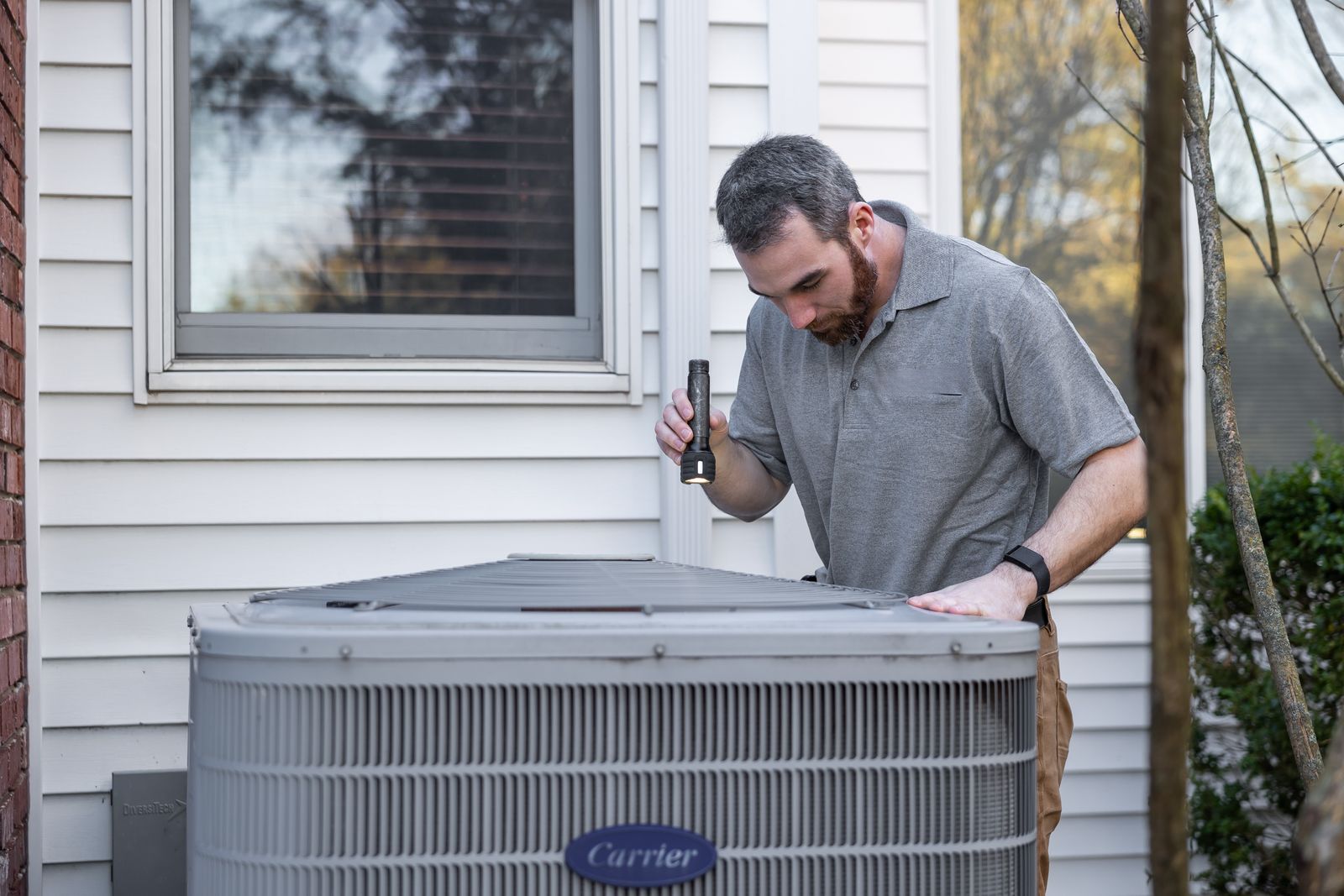
A blocked condenser. Debris, tall plants, or a dryer vent blowing nearby all heat up the outdoor coil and slow the whole system down.
Ceiling fans do not lower the air temperature, but they make a room feel a couple of degrees cooler by moving air across your skin. Running them in occupied rooms lets you nudge the thermostat up without sacrificing comfort, and they cost pennies a day to operate.